
Coorg Travel Guide: Best Time, How to Reach & Itineraries
Coorg, also known as Kodagu, is one of Karnataka’s most layered hill regions. Located in the Western Ghats, it draws people in through its coffee estates, winding roads, cool air, dense forest stretches, and a rhythm that feels noticeably different from city life.
The landscape shifts constantly here. One road opens into plantation country. Another disappears into the mist near the hills. By evening, the scent of rain, wet earth, and coffee leaves settles into the air in a way that becomes part of the memory of the trip itself.
People often call Coorg the “Scotland of India,” but the comparison never fully captures what Kodagu actually feels like. Coorg tourism is shaped by Kodava culture, plantation life, monsoon weather, mountain terrain, and a pace that changes from one part of the district to another.
Madikeri carries the movement of a hill town. The forested stretches near the estates feel more secluded. Villages around Bhagamandala and Talacauvery slow down even further.
That is also why planning a Coorg trip properly changes the experience completely. The season you choose, the route you take, and where you stay all influence how the region opens up to you.
This Coorg guide covers the best time to visit, how to reach Coorg, practical travel advice, itinerary ideas, and what to keep in mind while planning a stay around Madikeri and the surrounding hills, with Greenpark Madikeri as a considered base for exploring the region.
Why Coorg Continues to Draw Travellers Back
Coorg tourism works differently for different kinds of travellers.
For some, it is the long drive through plantation roads and hill bends. For others, it is the silence of early mornings before the mist lifts. Families come here for time that feels unstructured. Couples arrive looking for slower days. Solo travellers often stay longer than planned because the terrain changes the pace of the trip itself.
What makes Coorg distinct is how closely nature and daily life still exist together. Coffee estates remain active. Pepper vines climb old trees. Monsoon weather shapes routines. Markets carry spices, homemade products, and plantation-grown coffee. Even the architecture across parts of Kodagu still reflects local materials and hillside conditions. Unlike destinations built entirely around tourism, Coorg still feels lived in.
That balance is one of the reasons Coorg tourism continues to attract travellers returning for slower, more immersive experiences.
Understanding Coorg’s Geography Before You Plan
Most first-time visitors think of Coorg as a single destination. It is better understood as a collection of zones, each with its own character and pace.
Madikeri is the district headquarters and the most connected part of Kodagu. Raja’s Seat, Madikeri Fort, and Omkareshwara Temple are all within walking distance of each other here. Most accommodation, cafes, and local markets are concentrated in and around the town. For travellers building a compact Coorg itinerary, Madikeri makes sense as the central base.
Kushalnagar sits at the district’s eastern edge and is the first major town most visitors from Bangalore reach. Dubare Elephant Camp and Nisargadhama are close by, and the Namdroling Monastery at Bylakuppe is a short drive further. Kushalnagar works well as a Day 1 stop before moving toward Madikeri.
Bhagamandala and Talacauvery are located to the west of Madikeri, deeper into the hills. These are quieter stretches with significant cultural and natural value: Bhagamandala is a sacred confluence, and Talacauvery is the origin point of the Cauvery River. Roads here are narrower, and the surroundings are more forested.
Virajpet and Somwarpet are less visited by first-timers but sit closer to some of the district’s more rewarding wildlife and trekking terrain, including Pushpagiri Wildlife Sanctuary. Travellers on longer trips or return visits often explore these zones.
Understanding this geography before planning helps you cluster your days more sensibly and reduces the kind of back-and-forth driving that can make a short trip feel rushed. It is also part of how to plan a Coorg trip that most online guides skip over entirely.
Best Time to Visit Coorg
Coorg changes significantly across seasons. The best time depends on the kind of trip you want to experience.
October to March: Clear Weather and Cool Air
This is considered the best season for Coorg tourism. The weather stays pleasant, skies are clearer, and outdoor travel becomes easier across the district. Temperatures usually range between 14°C and 32°C, depending on altitude and time of day.
This season works well for:
- Sightseeing around Madikeri
- Coffee estate stays
- Nature walks and plantation drives
- Family trips
- Couples planning a quieter hill getaway
- Outdoor viewpoints and waterfall visits
Mornings during this period feel crisp, especially around estate regions and elevated stretches near Talacauvery. If you are planning a first-time Coorg itinerary, this season offers the easiest access to most attractions.
June to September: Monsoon Coorg
Monsoon transforms the region completely.
The hills become deeper green, waterfalls fill up, and mist settles across roads and plantations for most of the day. Travel slows down during these months, but many visitors specifically come for this atmosphere.
This season suits travellers who enjoy:
- Rain-heavy landscapes
- Plantation views during the monsoon
- Forested drives
- Cooler temperatures
- Fewer crowds
Road conditions may vary during periods of heavy rainfall, so travel plans should remain flexible.
If you visit during the monsoon, carrying proper rain gear and waterproof footwear becomes essential.
March to April: Coffee Blossom Season
This period carries a different side of Coorg altogether.
Coffee plantations begin flowering, and the region develops a distinct fragrance that spreads through estate roads and nearby forest stretches. The weather remains comfortable before peak summer arrives.
For travellers interested in plantation landscapes and slower estate stays, this is one of the most visually rewarding periods to visit.
How to Reach Coorg
One of the most important parts of how to plan a Coorg trip is understanding transport access. Coorg does not have its own airport or railway station. Most travellers arrive by road after reaching nearby transit hubs.
Reaching Coorg by Air
The nearest airports are:
- Kannur International Airport: approximately 115 km
- Mangalore International Airport: approximately 135 km
- Kempegowda International Airport, Bangalore: approximately 260 km
From these airports, taxis and private transfers are commonly used to reach Madikeri and the nearby estate regions.
Travellers coming from Bangalore often combine the drive with stops around Mysore.
Reaching Coorg by Train
The nearest railway stations are:
- Mysore Junction: approximately 120 km
- Mangalore Junction: approximately 135 km
From both stations, road transport is required to enter the Kodagu district.
Private taxis are usually the most comfortable option, especially for travellers planning to explore multiple parts of Coorg during the trip.
Reaching Coorg by Road
Road travel remains the most preferred way to reach Coorg.
The drive itself becomes part of the experience, especially once plantation roads and forest stretches begin appearing closer to Madikeri.
Common Routes
From Bangalore
- Approximate drive time: 5.5 to 7 hours
- Popular route: Bangalore → Mysore → Kushalnagar → Madikeri
From Mysore
- Approximate drive time: 3 to 4 hours
From Mangalore
- Approximate drive time: 4 to 5 hours
KSRTC and private buses operate regularly from Bangalore, Mysore, and Mangalore.
For local sightseeing inside Coorg, private vehicles are recommended since many estate roads and nature spots are spread across different parts of the district.
Making the Drive Part of the Experience
The road to Madikeri is worth paying attention to, not just moving through. Once past Kushalnagar, the terrain begins shifting in a way that is specific to this part of the Western Ghats. The road rises through rubber and coffee plantations, then starts curving through denser forest.
The air changes noticeably around Madikeri town, cooler and carrying something green and wet even in the dry months. Travellers who drive this route with awareness often arrive in a different headspace than those who sleep through it. The transition is part of what Coorg gives you.
2-3 Day Coorg Itinerary
If you are planning a shorter trip, focusing on a few regions instead of trying to cover everything usually creates a better experience.
Day 1: Kushalnagar and Nearby Areas
Start around Kushalnagar before moving toward Madikeri.
Places commonly included:
- Namdroling Monastery (Golden Temple)
- Dubare Elephant Camp
- Coffee estate roads around Kushalnagar
The drive between these places introduces the plantation landscape that defines much of Kodagu.
By evening, settle into your stay and allow some time to simply experience the slower pace of the hills.
Day 2: Madikeri
Madikeri remains central to most Coorg trip plans.
Key places to visit include:
- Abbey Falls
- Madikeri Fort
- Raja’s Seat
- Local markets for spices and coffee
The hill town changes significantly throughout the day. Early mornings feel cooler and quieter, while evenings around Raja’s Seat attract visitors gathering for sunset views over the valley.
Day 3: Talakaveri and Bhagamandala
This route moves deeper into the hills and offers a different side of Coorg.
Talacauvery, considered the origin point of the Cauvery, sits higher up in the Brahmagiri range. The roads leading there pass through dense greenery and changing weather conditions. Bhagamandala, located nearby at the confluence of three rivers, is often included in the same route.
This stretch works particularly well for travellers interested in scenic drives and the quieter parts of Kodagu. If time allows, the drive back through the western ghats stretch toward Madikeri is worth taking slowly.
4-5 Day Coorg Itinerary
Longer stays allow the region to unfold more naturally.
Instead of rushing between locations, travellers can spend time inside estate areas, forest stretches, and hill routes that define the landscape around Madikeri.
Day 1-3
Follow the earlier itinerary covering:
- Kushalnagar
- Madikeri
- Talakaveri and Bhagamandala
Day 4: Nature Trails and Hills
Depending on weather conditions and travel preferences, visitors often include:
- Brahmagiri Hills region
- Iruppu Falls
- Plantation walks
- Scenic drives through estate routes
This day works best when left slightly flexible. Coorg often rewards slower travel more than fixed schedules.
Day 5: Plantation Experiences and Local Exploration
Spend the final day exploring:
- Coffee plantations
- Spice shops
- Local produce markets
- Estate surroundings
Many travellers also use this day to slow down before returning to city routines, and often describe it as the day the trip actually arrived.
There is something specific about the last morning in Coorg: the sound of birds, the light through the estate, the reluctance to check out. Building that morning into your plan rather than rushing it out makes the whole trip feel more complete.
Coorg Travel Tips Before You Plan Your Trip
Stay Inside Plantation Regions if Possible
Estate stays create a very different experience compared to staying in town centres. The mornings feel slower, the air changes noticeably, and the surrounding landscape becomes part of the trip itself rather than something you drive toward and drive away from.
Keep Local Transport Flexible
Travellers planning Coorg budget travel often find that flexible transport planning and slower itineraries help reduce unnecessary movement while making the experience feel more relaxed.
Public transport inside Coorg is limited for sightseeing purposes. For easier movement between waterfalls, hill routes, plantation areas, and viewpoints:
- Hire a daily taxi or self-drive if comfortable with hill roads
- Avoid overloading the itinerary with more than two or three distant spots per day
- Shared cabs between towns are available, but may not suit estate-to-estate travel
Pack According to Season
Winter (October-March)
- Light jackets
- Comfortable walking shoes
Monsoon (June-September)
- Waterproof clothing
- Rain protection for electronics
- Extra footwear
- Network Connectivity May Vary
Connectivity May Vary
Some estate regions and forest stretches experience weaker mobile connectivity. Download offline maps before leaving town each day. Many travellers find this the most unexpected and welcome part of the experience, particularly during longer estate stays.
A Different Way to Experience Coorg
Where you stay changes how you experience Kodagu.
Some properties position you close to town activity. Others allow you to experience the landscape more directly through forest views, plantation surroundings, changing weather, and slower mornings.
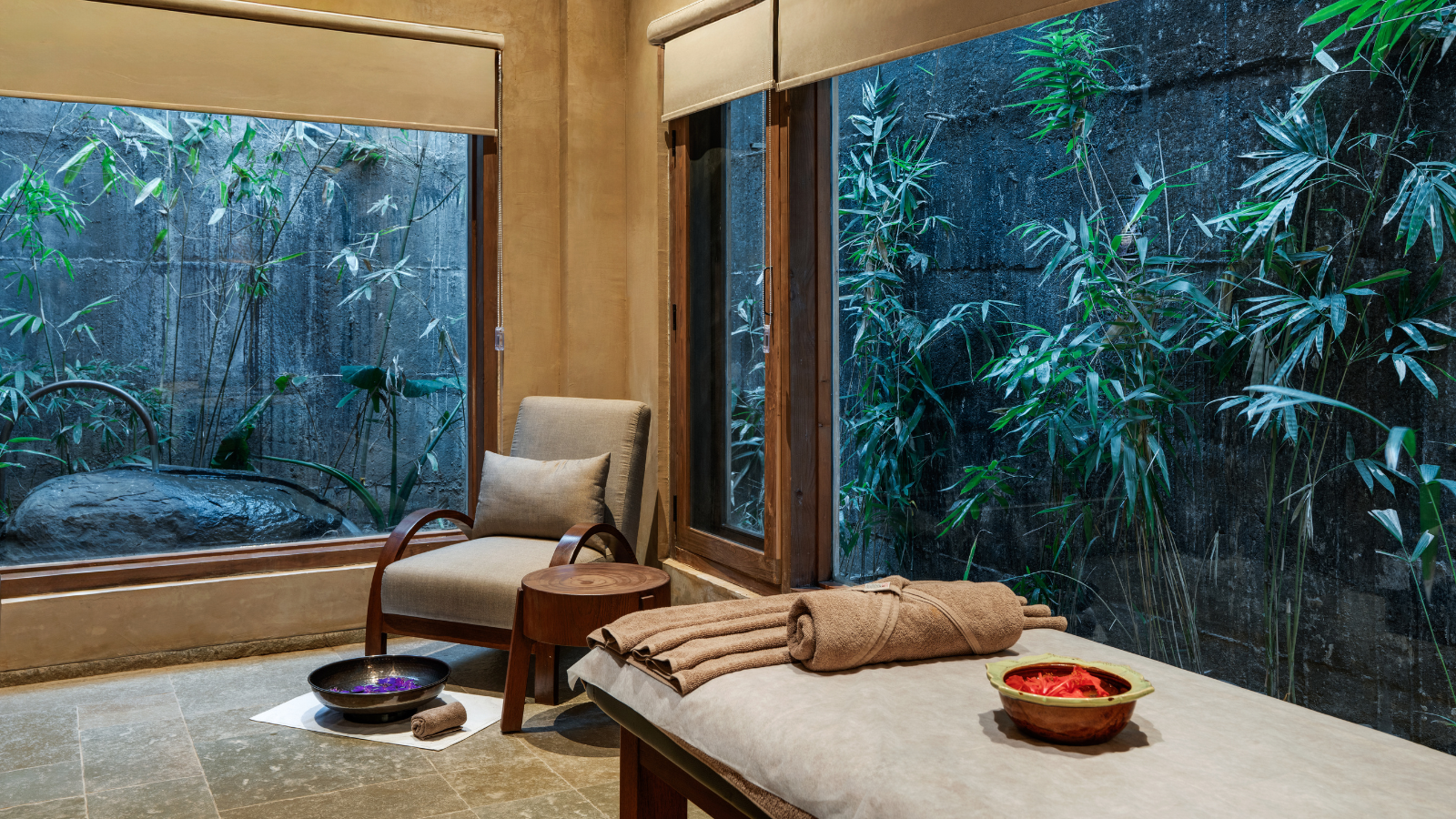
Greenpark Madikeri is located on the outskirts of Madikeri, where the town gradually gives way to forested terrain and plantation landscapes. The property has been shaped around the idea of allowing guests to experience Coorg through space, light, native ecology, and the rhythm of the hills themselves.
Instead of separating the stay from the environment around it, the architecture opens toward it.
The cottages and estate spaces are designed around:
- Hill views and forest-facing balconies
- Natural light and open layouts
- Native greenery and preserved landscapes
- Spaces that encourage slower movement through the day
For travellers searching for a Coorg guide for couples, the hillside cottages and forest-facing stays create a more immersive hill experience, especially during mist-heavy mornings and monsoon evenings.
For those looking for a Coorg guide for family holidays, the estate house rooms and interconnected layouts allow shared spaces while still maintaining privacy and flexibility during longer stays.
The property also sits within reach of major sightseeing routes around Madikeri, making it easier to balance exploration with time spent inside the estate’s surroundings.
Many travellers arrive in Coorg with packed itineraries and gradually begin slowing them down once they settle into the hills. The region naturally creates that shift.
How Many Days Are Enough for Coorg?
The ideal duration depends on your travel style.
2-3 Days
Good for:
- First-time visitors
- Weekend road trips
- Madikeri-focused itineraries
4-5 Days
Better for:
- Plantation stays
- Slower travel
- Nature-focused trips
- Couples and family holidays
1 Week or More
Works best for:
- Remote work stays
- Long estate stays
- Monsoon travel
- Travellers interested in slower exploration
Final Thoughts on Planning a Coorg Trip
Coorg is best experienced through pace rather than checklists.
The roads between plantations, the changing weather near the hills, the smell of coffee blossoms after rain, the silence of forest-facing mornings, and the slower rhythm of Kodagu all shape the trip more than any single attraction does.
A well-planned Coorg trip plan gives space for both movement and pause. Some days will revolve around waterfalls and viewpoints. Others may simply unfold through conversations, long drives, changing weather, and time spent watching the hills shift through the day.
For travellers researching how to plan a Coorg trip more meaningfully, the answer usually lies in slowing the itinerary down rather than filling every hour.
That balance is what continues to bring people back to Coorg.
FAQs
October to March is generally considered the best time for Coorg tourism because of the pleasant weather and clear skies. June to September is ideal for travellers who enjoy monsoon landscapes and lush greenery.
A 3-day Coorg itinerary covers the main attractions around Madikeri and Kushalnagar. A 4–5 day trip allows for a more relaxed experience with plantation stays, nature trails, and slower exploration.
The most convenient way is by road. The drive from Bangalore to Coorg usually takes around 5.5 to 7 hours, depending on traffic and weather conditions.
Yes. Coorg is popular among couples because of its cool weather, plantation stays, scenic drives, forest surroundings, and slower pace.
Yes. Families often choose Coorg for its comfortable climate, road accessibility, spacious estate stays, and variety of sightseeing options suitable across age groups.
The property is well-positioned for exploring key parts of Coorg, including Madikeri town, Abbey Falls, Raja’s Seat, Talakaveri routes, plantation roads, and nearby nature stretches. Exact travel time depends on weather and route conditions.
Public transport exists between towns, but taxis or private vehicles are usually more practical for sightseeing and exploring plantation regions.
Greenpark Madikeri is designed as an India Modern hill retreat shaped around space, nature, and slower living. The property focuses on forest-facing stays, hillside views, natural light, and architecture that sits gently within the landscape of Kodagu.